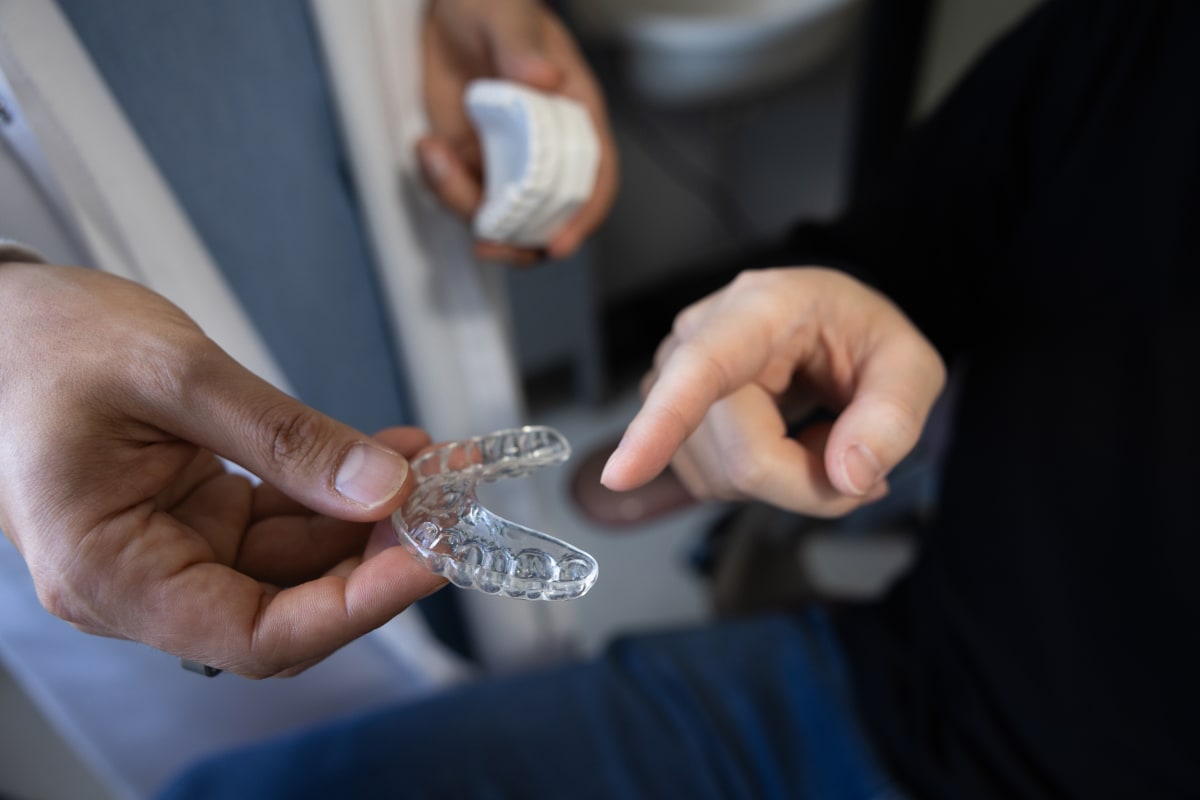
Many adults considering clear aligner treatment find themselves researching extensively online, comparing before-and-after photos and reading patient experiences to understand what results are realistic. Clear aligner marketing can present compelling outcomes while leaving important questions unanswered about the treatment process itself.
The straightforward answer is that clear aligner treatment delivers excellent results for well-selected cases, but success depends on several factors that deserve careful consideration upfront. Your specific orthodontic needs, commitment to wearing aligners as prescribed, and the clinical expertise guiding your treatment all play crucial roles in achieving the outcome you want.
At Medford Dental Wellness, we regularly see patients who experienced extended timelines or unexpected complications because these factors were not thoroughly addressed from the beginning. Our goal with this article is to help you ask the right questions during your consultation so you can make a well-informed decision.
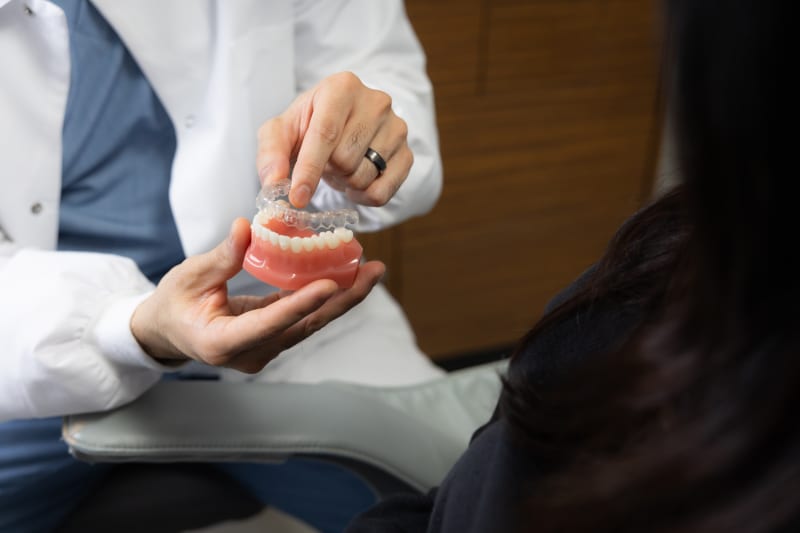
When patients feel misled about clear aligner treatment, it is typically not because the treatment itself failed. Rather, it is because no one took the time to explain when it works well and when it does not. We believe in starting with that honest assessment.
For the right candidate, clear aligner treatment delivers predictable results. Adults with stable bone structure who present with mild to moderate crowding, spacing issues, or certain bite irregularities typically see strong outcomes. The mechanics are sound for these cases. The technology has improved considerably, and when properly matched to the appropriate clinical situation, it performs reliably.
The lifestyle advantages are genuine benefits, not marketing claims. For professionals or frequent travelers, the ability to remove aligners provides significant flexibility. There are no dietary restrictions, and oral hygiene remains straightforward since patients can brush and floss normally. For adults who have delayed orthodontic treatment due to aesthetic or comfort concerns, these factors can be meaningful.
The cases where clear aligners tend to perform well share several characteristics:
This last point requires careful consideration, as provider experience significantly impacts treatment outcomes.
Clear aligners perform well for specific case types: mild to moderate crowding, spacing issues, and relatively straightforward bite corrections. However, not every case fits this profile, and understanding these limitations is essential for making an informed treatment decision.
Severe crowding, significant bite discrepancies, and certain rotations can exceed what aligners handle predictably. Traditional braces provide more direct, continuous control over tooth movement, making them better suited for complex cases. This is not a limitation of clear aligner technology itself, but rather an honest recognition that the treatment method must match the clinical requirements.
Timeline expectations often become a source of concern for patients. We regularly see cases where initial estimates of six to nine months extend to longer treatment periods, sometimes requiring refinements. Several factors contribute to this reality:
These considerations do not disqualify clear aligners as a treatment option. Rather, they underscore the importance of thorough initial consultation that addresses these possibilities from the beginning. Patients who feel most confident in their treatment outcomes are those who understand the realistic timeline range before starting. This type of comprehensive, honest consultation is what you can expect when you connect with our team at Medford Dental Wellness.
Thorough consultations matter because what comes next determines treatment success. Many adult treatment plans face challenges not because the treatment fails, but because the daily reality of wearing aligners 22 hours per day requires more commitment than patients initially understand.
The science is straightforward: aligner treatment moves teeth through sustained, consistent pressure. When wear time falls short consistently, whether due to travel schedules, business meals, or frequent snacking, that pressure becomes inconsistent. Teeth do not move on schedule. Trays stop fitting properly. Refinements become necessary, extending treatment time. This is not meant to discourage, but to inform based on clinical experience.
We observe common challenges among adult patients:
These factors are manageable with proper preparation and realistic expectations.
Attachments are another important consideration we discuss thoroughly during consultations. These small, tooth-colored composite additions:
None of these factors disqualify patients from successful treatment. They underscore why comprehensive consultation and ongoing support matter significantly. Our experience shows that patients who understand these realities from the beginning achieve better outcomes and greater satisfaction. We believe in preparing patients thoroughly rather than minimizing challenges they may encounter.

This distinction matters significantly when selecting a provider, because successful treatment depends on far more than the aligners themselves. The clinical expertise, ongoing monitoring, and treatment planning approach determine both your experience and your results.
We frequently see patients who express frustration not with clear aligner technology, but with inadequate case management. When treatment planning lacks thoroughness or progress monitoring is minimal, patients may feel they received a series of trays without proper clinical oversight. This represents a fundamental gap in care delivery.
When evaluating potential providers, we recommend asking these specific questions:
The quality of responses to these questions reveals important information about a practice's clinical approach. Providers who manage complex cases regularly will have detailed, thoughtful answers. Those who treat all cases as routine may not.
Our consultation process emphasizes thorough evaluation and transparent treatment planning. With Dr. Qu's advanced training in digital dentistry and Dr. Hobaica's extensive experience with complex treatment plans, our team brings the clinical depth necessary for successful clear aligner outcomes. You can learn more about our approach and what to expect during your initial visit on our services page.

A comprehensive consultation should provide clear information, not pressure. Many patients wonder whether they'll be pushed toward treatment decisions during their first visit. We believe you should never feel pressured to commit to treatment during your initial evaluation.
A thorough consultation is fundamentally a clinical assessment. It should include a complete examination, evaluation of your bite and spacing, and an honest assessment of what your specific case would require. A treatment quote alone does not constitute a proper consultation. If we cannot explain why your case presents certain complexities or advantages, that information is essential for your decision-making process.
Being an informed patient means asking the right questions. Here are key questions we encourage you to raise during any consultation:
We answer these questions directly because Dr. Qu and Dr. Hobaica have already carefully evaluated your case. Our approach is built on transparency and thorough treatment planning. You can learn more about our team at Medford Dental Wellness and what to expect during your consultation.
If you have done your research and remain uncertain whether Invisalign aligns with your specific needs, a thorough consultation provides the clarity you need. Our goal is not to sell you on treatment, but to give you an honest, science-based assessment of your case, realistic timelines, and whether the investment matches your treatment goals. Making an informed decision about orthodontic care requires accurate information, not assumptions.
You can schedule a consultation with our team at Medford Dental Wellness. Dr. Qu and Dr. Hobaica will provide a comprehensive evaluation of your situation, explain our recommendations clearly, and give you realistic expectations for treatment. Our approach is straightforward: you deserve complete information to make the decision that is right for you, without pressure to commit during your visit.